Causes and Treatment of Overpronation

Overpronation occurs when the foot rolls inward excessively when walking or running, placing uneven stress on bones, ligaments, and tendons. Common causes of overpronation include flat feet, ligament laxity, obesity, pregnancy changes, ankle injury, and footwear that lacks adequate support. These mechanics can contribute to heel pain, arch strain, shin discomfort, knee symptoms, and abnormal shoe wear. A podiatrist evaluates overpronation through history, gait analysis, and examination of alignment and joint motion. Treatment focuses on restoring balanced mechanics and reducing strain on the lower extremities. Options include custom orthotics, changes in footwear, activity modification, and strengthening programs supervised by a podiatrist. Bracing or surgery may be needed when structural deformity is present and symptoms persist. If you are experiencing symptoms of overpronation, it is suggested that you make an appointment with a podiatrist for an exam, diagnosis, and treatment.

If you have any concerns about your feet, contact Mack Jay Groves IV, DPM from Practice. Our doctor can provide the care you need to keep you pain-free and on your feet.

Biomechanics in Podiatry

Podiatric biomechanics is a particular sector of specialty podiatry with licensed practitioners who are trained to diagnose and treat conditions affecting the foot, ankle and lower leg. Biomechanics deals with the forces that act against the body, causing an interference with the biological structures. It focuses on the movement of the ankle, the foot and the forces that interact with them.

A History of Biomechanics

  • Biomechanics dates back to the BC era in Egypt where evidence of professional foot care has been recorded.
  • In 1974, biomechanics gained a higher profile from the studies of Merton Root, who claimed that by changing or controlling the forces between the ankle and the foot, corrections or conditions could be implemented to gain strength and coordination in the area.

Modern technological improvements are based on past theories and therapeutic processes that provide a better understanding of podiatric concepts for biomechanics. Computers can provide accurate information about the forces and patterns of the feet and lower legs.

Understanding biomechanics of the feet can help improve and eliminate pain, stopping further stress to the foot.

If you have any questions please feel free to contact our office located in Covington, LA . We offer the newest diagnostic and treatment technologies for all your foot and ankle needs.

Read more about The Importance of Biomechanics in Podiatry

Do Your Child's Feet Hurt?

Have your child's feet been examined lately? Healthy feet are happy feet. If your child is complaining of foot pain, it may be a sign of underlying problems.

Improving Ankle Strength With Exercise

Weak ankle muscles and reduced joint control can contribute to repeated sprains, instability, and discomfort along the foot and lower leg. Structured ankle strengthening exercises focus on improving muscle endurance, joint awareness, and controlled movement around the ankle joint. These exercises often target muscles that support side to side motion, forward movement, and stability during weight-bearing tasks. Improving ankle strength can also enhance coordination between the foot and lower leg, helping the body respond more effectively to uneven surfaces or sudden changes in direction. A podiatrist can evaluate ankle alignment, walking patterns, and muscle imbalances that may limit progress. Based on this assessment, a podiatrist may recommend specific exercises, supportive devices, or adjustments to activity demands to improve ankle function safely. For help in strengthening weak ankles, it is suggested that you make an appointment with a podiatrist for an exam, diagnosis, and treatment.

Exercising your feet regularly with the proper foot wear is a great way to prevent injuries and build strength. If you have any concerns about your feet, contact Mack Jay Groves IV, DPM from Practice. Our doctor can provide the care you need to keep you pain-free and on your feet.

Exercise for Your Feet

Exercise for your feet can help you gain strength, mobility and flexibility in your feet. They say that strengthening your feet can be just as rewarding as strengthening another part of the body. Your feet are very important, and we often forget about them in our daily tasks. But it is because of our feet that are we able to get going and do what we need to. For those of us fortunate enough to not have any foot problems, it is an important gesture to take care of them to ensure good health in the long run.

Some foot health exercises can include ankle pumps, tip-toeing, toe rises, lifting off the floor doing reps and sets, and flexing the toes. It is best to speak with Our doctor to determine an appropriate regimen for your needs. Everyone’s needs and bodies are different, and the activities required to maintain strength in the feet vary from individual to individual. 

Once you get into a routine of doing regular exercise, you may notice a difference in your feet and how strong they may become.

If you have any questions, please feel free to contact our office located in Covington, LA . We offer the newest diagnostic and treatment technologies for all your foot care needs.
Read more about Exercise for Your Feet

Traits of Walking and Running Shoes

Walking and running shoes are designed differently to accommodate unique foot mechanics and movement patterns. Walking shoes distribute weight more evenly across the foot, offer moderate cushioning, and typically have a lower, more stable heel flare for balance. Running shoes are built for forward motion, with increased cushioning to absorb impact, a higher heel to support stride, and more responsiveness and flexibility to handle repeated high force. Choosing the correct shoe type reduces fatigue, prevents injury, and supports natural foot function. A podiatrist can assess gait, recommend appropriate footwear, and prescribe custom orthotics if needed to optimize performance and comfort. If you have foot pain, it is suggested that you consult a podiatrist who can treat various foot and ankle conditions, and guide you on the right type of shoes to wear for your desired activity.

For more information about walking shoes versus running shoes, consult with Mack Jay Groves IV, DPM from Practice. Our doctor can measure your feet to determine what your needs are and help you find an appropriate pair of footwear.

Foot Health: The Differences between Walking & Running Shoes

There are great ways to stay in shape: running and walking are two great exercises to a healthy lifestyle. It is important to know that running shoes and walking shoes are not interchangeable. There is a key difference on how the feet hit the ground when someone is running or walking. This is why one should be aware that a shoe is designed differently for each activity.

You may be asking yourself what the real differences are between walking and running shoes and the answers may shock you.

Differences

Walking doesn’t involve as much stress or impact on the feet as running does. However, this doesn’t mean that you should be any less prepared. When you’re walking, you land on your heels and have your foot roll forward. This rolling motion requires additional support to the feet.

Flexibility – Walking shoes are designed to have soft, flexible soles. This allows the walker to push off easily with each step.

If you have any questions, please feel free to contact our office located in Covington, LA . We offer the newest diagnostic and treatment technologies for all your foot care needs.
Read more about Walking Shoes vs. Running Shoes

Living With Changes in Foot Sensation

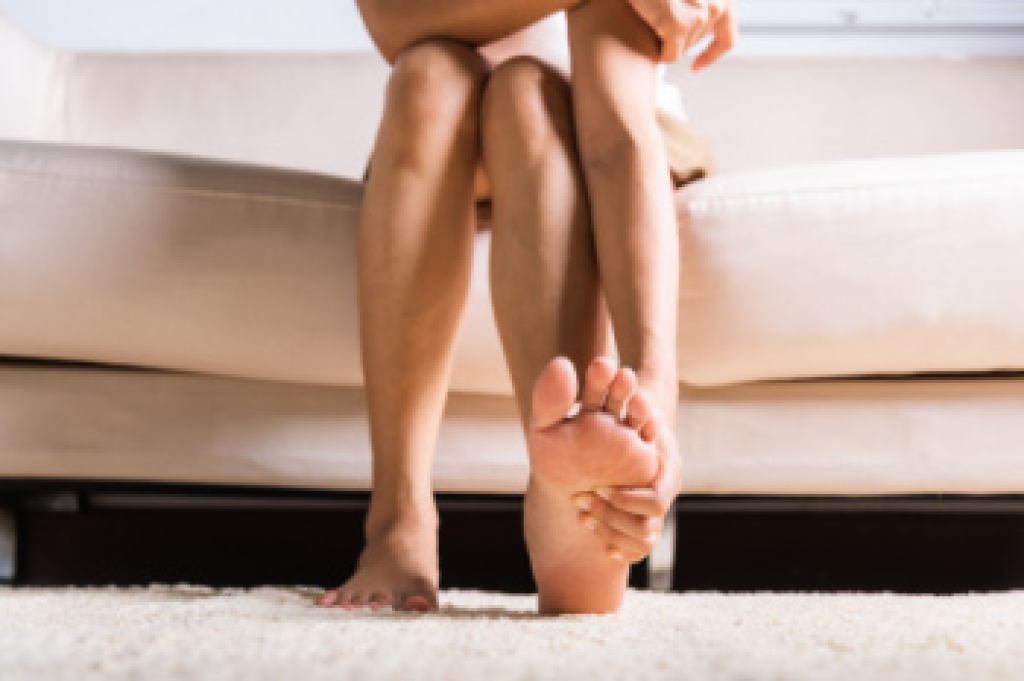
Peripheral neuropathy affects the nerves that carry messages between the feet and the brain. When these nerves are not working properly, people may experience numbness, tingling, burning, or a pins and needles feeling in the feet or toes. In some cases, sensation becomes reduced, making it harder to feel pain, heat, or pressure. This can increase the risk of unnoticed injuries, skin breakdown, or balance issues. Although causes can vary, peripheral neuropathy is often linked to diabetes, circulation problems, certain medications, or nerve compression. Symptoms may develop gradually and worsen over time, if not addressed. Daily foot checks and wearing supportive footwear are important parts of care. Early evaluation helps reduce complications and protect long-term foot health. If changes in sensation, balance, or foot comfort are noticed, it is suggested that a podiatrist provide guidance on evaluation and treatment options.

Neuropathy

Neuropathy can be a potentially serious condition, especially if it is left undiagnosed. If you have any concerns that you may be experiencing nerve loss in your feet, consult with Mack Jay Groves IV, DPM from Practice. Our doctor will assess your condition and provide you with quality foot and ankle treatment for neuropathy.

What Is Neuropathy?

Neuropathy is a condition that leads to damage to the nerves in the body. Peripheral neuropathy, or neuropathy that affects your peripheral nervous system, usually occurs in the feet. Neuropathy can be triggered by a number of different causes. Such causes include diabetes, infections, cancers, disorders, and toxic substances.

Symptoms of Neuropathy Include:

  • Numbness
  • Sensation loss
  • Prickling and tingling sensations
  • Throbbing, freezing, burning pains
  • Muscle weakness

Those with diabetes are at serious risk due to being unable to feel an ulcer on their feet. Diabetics usually also suffer from poor blood circulation. This can lead to the wound not healing, infections occurring, and the limb may have to be amputated.

Treatment

To treat neuropathy in the foot, podiatrists will first diagnose the cause of the neuropathy. Figuring out the underlying cause of the neuropathy will allow the podiatrist to prescribe the best treatment, whether it be caused by diabetes, toxic substance exposure, infection, etc. If the nerve has not died, then it’s possible that sensation may be able to return to the foot.

Pain medication may be issued for pain. Electrical nerve stimulation can be used to stimulate nerves. If the neuropathy is caused from pressure on the nerves, then surgery may be necessary.

If you have any questions, please feel free to contact our office located in Covington, LA . We offer the newest diagnostic and treatment technologies for all your foot care needs.
Read more about Neuropathy

Connect With Us